

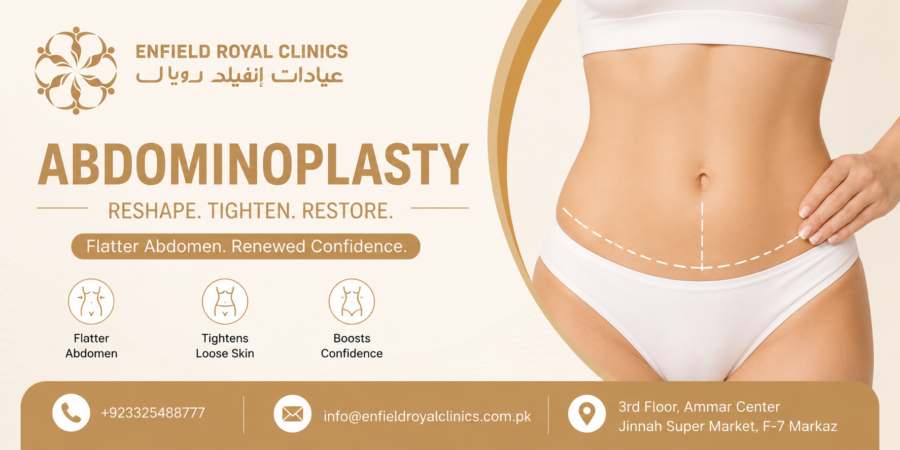
Abdominoplasty, commonly known as a tummy tuck, is a surgical procedure that removes excess abdominal skin and may tighten weakened or separated abdominal muscles. It can improve abdominal contour, especially after pregnancy or significant weight loss. However, like any surgical procedure, Abdominoplasty carries potential risks and complications.
Understanding these risks before surgery is important. A qualified plastic surgeon can assess your individual health, explain possible complications, and help you understand what to expect during recovery.
Is Abdominoplasty Considered a Major Surgery?
Yes. Abdominoplasty is a significant surgical procedure rather than a simple cosmetic treatment. Depending on the technique, it can involve removing excess skin, repositioning abdominal tissues, and repairing or tightening muscles.
Because the procedure is more extensive than many non-surgical treatments, patients need appropriate preparation and recovery time. The level of risk varies according to the patient’s health, the extent of surgery, surgical technique, and postoperative care.
What Are the Common Risks of Abdominoplasty?
Some complications are more common than others. Potential risks can include swelling, bruising, temporary discomfort, numbness, scarring, fluid accumulation, infection, bleeding, and delayed wound healing.
Many postoperative symptoms are temporary and improve as the body heals. However, complications can sometimes require additional treatment or closer medical monitoring.
Your surgeon should explain these possibilities before you decide whether surgery is appropriate for you.
Can Abdominoplasty Cause Infection?
Infection is a possible risk with any surgical procedure. The risk may be influenced by factors such as wound care, general health, smoking, and other individual circumstances.
Patients are generally given specific instructions about keeping the surgical area clean and monitoring the incision during recovery.
Increasing redness, worsening pain, unusual drainage, fever, or other concerning symptoms should be reported to the surgical team promptly. Early medical assessment can help determine whether treatment is necessary.
Is Bleeding a Risk After Abdominoplasty?
Bleeding can occur during or after surgery. Significant bleeding is less common but can require medical attention.
Your surgeon will review your medications and health history before Abdominoplasty. Some medicines and supplements can affect bleeding, so it is important to tell your medical team about everything you take.
Never stop a prescribed medication without medical advice. Your healthcare provider will tell you whether any medication needs to be adjusted before surgery.
Can Abdominoplasty Cause Fluid Buildup?
Fluid accumulation, sometimes called a seroma, can occur after a tummy tuck. It happens when fluid collects beneath the skin in an area affected by surgery.
Surgeons use different techniques to reduce the likelihood of fluid buildup, but it can still occur.
If a patient develops unusual swelling or a soft, fluid-like area around the abdomen, the surgical team should evaluate it. Treatment may involve observation or drainage depending on the situation.
Does Abdominoplasty Leave Permanent Scars?
Yes. Scarring is an expected part of Abdominoplasty because the procedure requires surgical incisions.
Surgeons generally plan the main incision in the lower abdominal area so that it can often be concealed beneath underwear or swimwear. However, the final scar varies from person to person.
Scar appearance can be affected by genetics, skin type, incision tension, wound healing, and postoperative care. Scars typically change and mature over time but do not disappear completely.
Can Abdominoplasty Cause Numbness?
Changes in skin sensation are possible after surgery. Some patients experience numbness, tingling, sensitivity, or altered sensation around the lower abdomen.
These changes may occur because small nerves are affected during the procedure. Sensation can gradually improve as the nerves and tissues heal, although recovery varies between individuals.
Discuss any persistent or concerning sensory changes with your surgeon during follow-up appointments.
Can Wound Healing Problems Occur?
Delayed wound healing is another potential complication. Certain factors, including smoking or nicotine use, poor circulation, medical conditions, and excessive tension on the incision, may affect healing.
Following your surgeon’s postoperative instructions is important. Avoiding strenuous activity too early can also help protect healing tissues.
If part of the incision begins to open, develops unusual drainage, or changes significantly, contact your healthcare provider.
Are Blood Clots a Risk?
Blood clots are a potential complication of major surgery, particularly when mobility is reduced during recovery.
Your surgical team may recommend early, gentle movement when appropriate and other preventive measures based on your individual risk.
Patients should follow instructions regarding walking, medication, compression devices, or other preventive strategies if prescribed.
Seek urgent medical attention if you develop symptoms that could indicate a serious complication, such as sudden breathing difficulty or chest pain.
Can Smoking Increase Abdominoplasty Risks?
Smoking and nicotine can negatively affect blood circulation and wound healing. This can increase the risk of complications after Abdominoplasty.
If you smoke or use nicotine products, tell your surgeon before surgery. You may be advised to stop for a specific period before and after the procedure.
Do not hide nicotine use from your medical team. Honest information allows your surgeon to plan more safely.
How Can You Reduce the Risk of Complications?
Good preparation and careful postoperative care can help support safer recovery.
Before Abdominoplasty, provide your surgeon with complete information about your health, medications, supplements, allergies, previous surgeries, and smoking or nicotine use.
After surgery, follow instructions regarding wound care, medication, physical activity, bathing, compression garments, and follow-up appointments.
Avoid heavy lifting and strenuous exercise until your surgeon gives you clearance.
Who May Have a Higher Risk?
Individual risk can be affected by several factors, including significant obesity, uncontrolled medical conditions, smoking, previous abdominal surgery, poor wound healing history, and certain medications.
This does not necessarily mean that surgery cannot be performed. However, your surgeon may recommend additional medical assessment or preparation before proceeding.
Choosing an appropriately qualified surgeon and suitable medical facility is also an important part of surgical planning.
Final Thoughts
So, what are the risks of Abdominoplasty? Potential complications include infection, bleeding, fluid buildup, scarring, numbness, delayed wound healing, blood clots, and anesthesia-related risks.
Although many patients recover successfully, no surgery is completely risk-free. Your individual risk depends on your health, the extent of the procedure, surgical technique, and recovery care.
If you are considering Abdominoplasty, discuss the potential benefits, limitations, complications, and recovery requirements with a qualified plastic surgeon. Understanding the risks beforehand can help you make a more informed decision about whether the procedure is right for you.
For more information visit Enfield royal clinic in islamabad

Leave a Reply