

The psychology behind high-stakes gambling decisions
The allure of high-stakes gambling
High-stakes gambling has a unique allure that captivates many individuals. The thrill of risking large sums of money can evoke intense emotional responses, including excitement, fear, and anticipation. This complex interplay of emotions draws players into the experience, often overriding their rational thinking. For instance, an individual might visit https://bigboost-nz.org to explore new gaming options, which amplifies their excitement and involvement in the game.
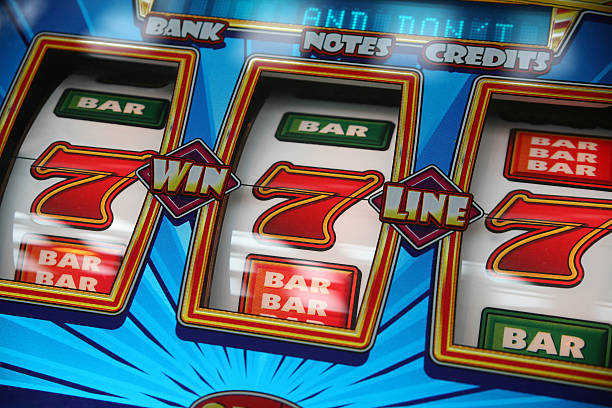
Moreover, the environment of casinos contributes significantly to this allure. Bright lights, sounds of slot machines, and the buzz of fellow gamblers create an immersive atmosphere that heightens emotional engagement. These sensory inputs can trigger dopamine release in the brain, reinforcing the pleasurable feelings associated with winning. This neurochemical reaction can lead to a desire for more high-stakes gambling experiences, as players seek to replicate the high of a previous win.
Understanding the psychological motivations behind high-stakes gambling can reveal why individuals may choose to engage in such risky behaviors. For some, it may stem from a desire for social status or validation, as winning large amounts can elevate their perceived worth among peers. Additionally, the narratives surrounding high-stakes gamblers, often portrayed in media as glamorous or heroic figures, further romanticize the notion of taking risks, compelling more individuals to participate in this thrilling arena.
The role of risk perception
Risk perception plays a pivotal role in high-stakes gambling decisions. Players often view the odds and the potential outcomes through a subjective lens, influenced by personal experiences and emotional states. For instance, a gambler who has recently experienced a win may underestimate risks and overestimate their chances of success in subsequent games. This phenomenon, known as the “gambler’s fallacy,” can lead to increasingly reckless betting behavior.
Additionally, cognitive biases contribute to how gamblers assess risk. Many individuals tend to focus more on potential rewards than on the likelihood of losses, creating an inflated perception of their chances of winning. This skewed perspective can be exacerbated by social factors, such as peer pressure or the desire to fit into a gambling community. As a result, high-stakes decisions can often be driven by emotion rather than informed judgment.
The environment of high-stakes gambling also influences risk perception. Casinos are designed to minimize distractions and promote an immersive experience, which can lead to poor decision-making. The presence of large sums of money and the excitement of the game can cloud judgment, prompting players to take risks they might avoid in a more rational setting. This creates a cycle of behavior where the thrill of the game outweighs the logical assessment of risk.
The impact of emotional states
Emotional states significantly influence high-stakes gambling decisions. When individuals are in a positive emotional state, they may be more inclined to take risks, believing they can continue their winning streak. Conversely, negative emotions, such as sadness or frustration, can lead to impulsive decisions as players seek to chase losses or escape from their emotional pain. This emotional rollercoaster can create a volatile gambling environment where decisions become increasingly irrational.
Anxiety is another emotional state that can shape gambling choices. High-stakes gambling can create an intense pressure to succeed, leading to feelings of anxiety that may cloud judgment. In some cases, players may use gambling as a coping mechanism to manage their anxiety, creating a paradox where the act of gambling exacerbates their emotional state. This cycle can lead to detrimental decision-making, as emotional responses overpower logical reasoning.
Furthermore, the concept of “loss aversion” plays a crucial role in how emotions affect gambling. Loss aversion refers to the tendency for individuals to prefer avoiding losses over acquiring equivalent gains. In a high-stakes environment, the fear of losing significant amounts can lead to overly cautious behavior or, alternatively, reckless betting as players try to recover their losses. This emotional tug-of-war complicates the decision-making process and can result in detrimental financial outcomes.
Behavioral economics in gambling
Behavioral economics offers insights into the irrational decisions that gamblers often make. Concepts such as the “sunk cost fallacy,” where individuals continue to invest time and resources in a losing proposition due to previous investments, are prevalent in high-stakes gambling scenarios. This fallacy can lead players to increase their bets in an attempt to recoup losses, even when the odds are against them, creating a vicious cycle of loss and irrationality.
Another crucial aspect of behavioral economics is the notion of “framing effects,” which refers to how the presentation of information can influence decision-making. For example, a player may view a bet as a 70% chance of winning when framed positively, while the same odds presented negatively may seem like a 30% chance of losing. This highlights how cognitive biases can skew perception and lead to inconsistent decision-making in high-stakes environments.
Additionally, the concept of temporal discounting explains why gamblers might prioritize immediate rewards over long-term consequences. High-stakes gamblers may find it challenging to resist the temptation of instant gratification, leading them to make impulsive bets. This tendency to prioritize short-term gains can overshadow the potential long-term repercussions, further complicating their gambling decisions and creating a cycle of repeated risky behavior.
Big Boost Casino: A safe gambling experience
For those interested in exploring high-stakes gambling in a safe and engaging environment, Big Boost Casino offers a compelling option. With an extensive selection of over 5,000 games from top providers, players can enjoy a wide range of experiences tailored to their preferences. The platform ensures a secure gaming environment, backed by a Curaçao gaming license, allowing players to focus on the thrill of the game without unnecessary concerns.
The casino’s commitment to providing generous welcome offers, including up to NZ$3,000 and 300 free spins, enhances the gaming experience, enabling players to explore high-stakes options without significant financial risk. Additionally, the fast NZD withdrawals and 24/7 customer support ensure a seamless experience, allowing players to concentrate on their gambling decisions rather than logistical concerns.
In summary, understanding the psychology behind high-stakes gambling decisions can enrich players’ experiences. By recognizing the emotional, cognitive, and environmental factors at play, individuals can make more informed choices, leading to a more enjoyable and potentially lucrative gaming experience at Big Boost Casino.

Leave a Reply