

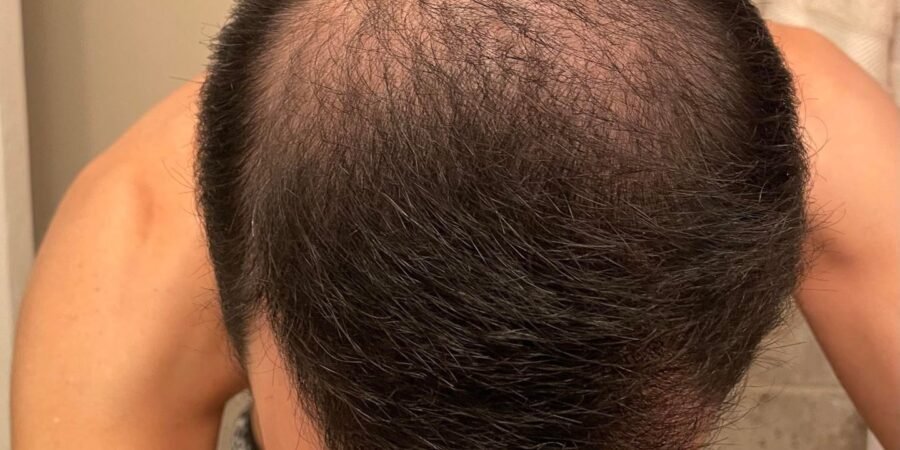
Understanding how modern transplantation methods address pattern baldness requires looking into how hair follicles are harvested, transplanted, and nurtured to achieve optimal density. Advanced techniques utilize precise microsurgical tools to transfer healthy follicles from high-density regions to sparse areas on the scalp. Incorporating complementary procedures, such as non-invasive skin rejuvenation and Scarless hair transplant in Abu Dhabi, can further enhance scalp condition and overall aesthetic outcomes. By focusing on minimal tissue disruption, modern approaches aim to deliver maximum coverage while maintaining an unblemished appearance across the donor and recipient zones.
Understanding the Concept of Scarless Hair Restoration
- Minimally Invasive Extraction: Advanced methods extract individual hair follicles directly without taking long strips of tissue.
- Microscopic Incision Points: Tiny tools create minimal entry points that heal rapidly and leave barely visible micro-dots.
- Preservation of Donor Area: Careful spacing during extraction ensures the donor area maintains its natural density and texture.
- Enhanced Healing Process: Reduced tissue trauma leads to a quicker recovery phase and less overall post-procedure discomfort.
The term scarless hair restoration primarily refers to techniques like Follicular Unit Extraction (FUE) and Direct Hair Implantation (DHI), which eliminate the traditional linear donor mark associated with older surgical methods. Instead of removing a continuous strip of scalp tissue, technicians harvest individual follicular units using specialized micro-punches. These micro-punches typically measure under one millimeter in diameter, meaning the resulting donor marks are tiny dot-like points that fade into the surrounding skin.
While no medical intervention that pierces the skin is entirely devoid of microscopic tissue changes, these modern techniques make any remaining marks virtually imperceptible to the naked eye. Because the intervention is distributed evenly across a broad donor zone, the natural look of the back and sides of the head is preserved. This allows individuals to wear short hairstyles with confidence, knowing that no prominent linear mark will be visible.
How Advanced Hair Transplantation Addresses Baldness
- Targeted Graft Placement: Healthy follicles are strategically positioned to match the natural growth angle and direction of existing hair.
- Hairline Redefinition: Specialists construct a realistic, age-appropriate frontal hairline to frame the face naturally.
- Density Enhancement: Grafts are packed at precise distances to maximize volume in sparse or completely bald areas.
- Permanent Follicle Survival: Grafted hair from donor-dominant regions retains its genetic resistance to hair loss factors.
Addressing baldness effectively relies on the strategic redistribution of healthy, permanent hair follicles from areas resistant to thinning—typically the back and sides of the head—to regions suffering from loss. Once transplanted, these follicles adapt to their new location and continue their natural growth cycle over a lifetime. The success of the procedure rests on the precise angle, depth, and direction of each insertion to replicate original growth patterns.
For individuals experiencing extensive thinning across the crown or hairline, modern techniques make it possible to achieve continuous, dense coverage. Advanced planning ensures that available donor grafts are utilized efficiently, prioritizing high-impact areas like the frontal hairline while adding sufficient volume across the mid-scalp. Consequently, the newly established hair seamlessly integrates with surrounding strands, effectively reversing the visual impact of baldness.
The Role of Technology in Natural Hair Line Restoration
- Precision Harvesting Tools: Motorized or manual micro-punches isolate follicular units with minimal transection rates.
- Implanter Pens and Instruments: Specialized tools allow simultaneous incision and placement, protecting graft viability.
- Digital Scalp Mapping: Advanced imaging software assesses donor density and measures optimal graft distribution patterns.
- Standardized Quality Control: Technological refinements ensure consistent graft handling from extraction to final placement.
Technological innovations have fundamentally transformed how hair restoration is planned and executed. High-magnification digital imaging allows practitioners to analyze the health of the scalp, evaluate hair shaft thickness, and accurately calculate the number of viable donor grafts. This precise assessment ensures realistic goal setting and prevents the over-harvesting of donor zones.
During the placement phase, specialized instruments like implanter pens allow for pinpoint accuracy without the need for pre-made heavy incisions. This reduces tissue trauma in the recipient area and protects delicate follicular bulbs during handling. By maintaining controlled depth and direction, technology enables seamless integration, ensuring that newly grown hair looks completely authentic upon full maturation.
Comparing Advanced Methods with Legacy Techniques
- Elimination of Linear Disruption: Modern methods avoid long incisions, preventing the formation of broad horizontal donor lines.
- Faster Recovery Timeline: Microscopic entry points mean patients experience minimal downtime and prompt return to daily activities.
- Reduced Scalp Tension: Avoiding tissue excision means the scalp retains its natural elasticity and comfort post-procedure.
- Flexibility in Styling: Individuals are free to maintain low-cut hairstyles without exposing obvious signs of past procedures.
Legacy methods, such as Follicular Unit Transplantation (FUT) or strip surgery, involved harvesting a strip of skin from the donor area, leaving a continuous linear mark across the back of the head. While effective at yielding large numbers of grafts, this technique often limited styling options and required longer recovery periods due to scalp tightness and deeper tissue healing.
In contrast, contemporary extraction methods process individual grafts isolated directly from the scalp. This decentralized extraction pattern distributes tiny marks across a wide region, making them practically invisible once healed. Furthermore, avoiding major incisions substantially reduces post-procedure discomfort and shortens the overall healing timeline, allowing individuals to resume their regular schedules quickly.
Essential Scalp Health and Preparation Steps
- Comprehensive Scalp Evaluation: Assessing skin elasticity, blood circulation, and follicle health ensures optimal conditions.
- Nutritional Optimization: Balanced nutrition supports robust skin recovery and promotes early graft attachment.
- Avoiding Aggressive Topical Treatments: Halting harsh chemical applications prior to the procedure prevents scalp irritation.
- Maintaining Hydration: Adequate fluid intake supports healthy cellular function and aids in post-procedure skin regeneration.
Preparing the scalp prior to undergoing a hair restoration procedure is crucial for achieving high graft survival rates and seamless healing. A healthy, well-nourished scalp provides an ideal environment for newly transplanted follicles to take root and access essential blood supply. Proper evaluation prior to the procedure identifies any underlying skin conditions that might interfere with follicle attachment or skin recovery.
Establishing a supportive care routine before and after graft placement helps maintain healthy skin turnover and balanced moisture levels. Avoiding harsh chemical treatments or aggressive physical exfoliation preserves the integrity of the epidermal layer. By prioritizing scalp health, individuals create the best possible conditions for rapid micro-incision closure and sustained hair growth.
Expected Timeline for Growth and Visual Results
- Initial Healing Phase (Days 1–14): Micro-incisions close quickly, and initial redness or crusting subsides completely.
- Shedding Period (Weeks 2–8): Transplanted hair shafts temporarily shed while the roots enter a temporary resting phase.
- Early Growth Phase (Months 3–4): Fine, new hair strands begin emerging from the scalp surface.
- Full Maturation (Months 10–12): Hair strands thicken, increase in density, and achieve complete stylistic integration.
Patience is an essential component of the hair restoration journey, as final visual outcomes evolve gradually over several months. In the immediate days following graft placement, the scalp heals rapidly, closing micro-incisions and securing the newly placed roots. It is common for transplanted hair shafts to shed within the first few weeks; this is a standard biological response known as shock loss, while the underlying root remains securely embedded.
New hair growth typically begins around the third or fourth month, initially appearing as fine, soft strands. Over the subsequent months, these strands grow in length and thickness, blending naturally with existing hair. By the end of a full year, the hair reaches its complete density, length, and texture, delivering a fully transformed appearance that permanently covers previously bald areas.
Long-Term Maintenance and Hair Care Strategies
- Gentle Cleansing Routines: Mild, sulfate-free shampoos preserve natural oils and protect new hair strands.
- Sun Protection: Shielding the scalp from excess ultraviolet radiation prevents skin damage and color fading.
- Balanced Lifestyle Habits: Managing stress and maintaining strong nutritional habits support continuous hair strength.
- Routine Scalp Conditioning: Keeping the scalp hydrated supports follicle health and prevents dryness or flaking.
Maintaining the results of a successful hair restoration procedure requires a consistent, gentle care routine tailored to long-term hair health. While transplanted follicles are genetically resistant to thinning, surrounding native hair continues to require proper nourishment and protection. Using gentle cleansing products avoids stripping essential moisture from the scalp, ensuring a balanced environment for ongoing growth.
Protecting the scalp from harsh environmental factors, such as prolonged direct sunlight, preserves skin texture and prevents irritation. Incorporating wellness practices that foster good systemic circulation ensures that hair follicles receive a steady supply of vital nutrients. With attentive long-term care, the newly established density remains vibrant and strong for decades.
Frequently Asked Questions about Scarless hair transplant in Abu Dhabi
Can hair transplantation permanently cover advanced baldness?
Yes, transplanted hair follicles are harvested from donor zones that are genetically resistant to thinning. Once successfully grafted, these follicles continue to grow permanently in their new location, providing lasting coverage for bald areas when properly planned and cared for.
Will there be noticeable marks left on the donor area?
Modern harvesting techniques extract individual follicles using microscopic tools, leaving tiny dot-like points rather than a continuous line. Once healed, these micro-marks are scattered evenly across the donor zone and are practically invisible, even with short haircuts.
How soon after the procedure can normal daily routines be resumed?
Most individuals can return to light daily activities within a few days. The micro-incisions heal rapidly, though vigorous exercise, intense physical exertion, and direct sun exposure should generally be avoided for the first two weeks to protect newly placed grafts.
Is the growth from transplanted hair completely natural in appearance?
Because the procedure uses an individual’s own living hair follicles, the resulting growth matches the natural color, texture, and growth characteristics of surrounding hair. Proper angling and strategic density placement ensure that the hairline and overall coverage look entirely authentic.

Leave a Reply