

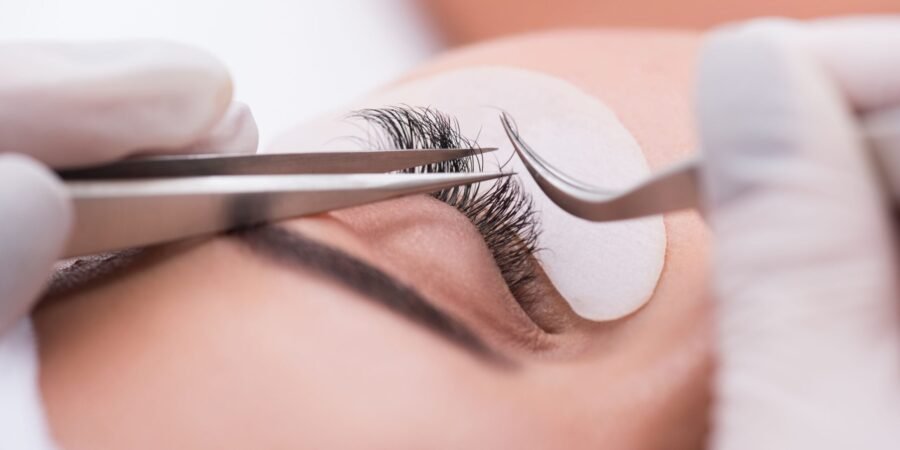
- For those considering an Eyelash Hair Transplant in Abu Dhabi, understanding how specialists calculate graft counts is an essential first step.
- Eyelash enhancement requires meticulous precision, microscopic graft selection, and ultra-fine follicular units to match natural eye contours.
- Careful planning ensures that the final appearance looks dense, balanced, and completely harmonious with existing facial aesthetics.
Achieving a fuller and more prominent lash line is a common aesthetic goal for individuals looking to enhance their facial features. When exploring advanced cosmetic solutions, one of the most frequently asked questions centers around the graft count required to achieve natural-looking results. Understanding the technical nuances of graft requirements helps set realistic expectations for the procedure.
Understanding the Basics of Eyelash Grafts
What is a Single Graft in Lash Procedures?
A graft typically consists of a single individual hair follicle, occasionally containing two very fine hairs depending on the donor source. In standard hair restoration, grafts may contain multiple hairs. But for eyelashes, technicians meticulously dissect follicular units to isolate single hairs. This ultra-fine isolation is critical because standard multi-hair grafts would look unnatural and heavy along the delicate eyelid margin.
Why Precision Matters More Than Quantity
Unlike scalp restorations where sheer volume creates density, eyelash placement is entirely about artistry, angle, and curvature. The human eyelid can only comfortably and safely accommodate a limited number of hairs without causing irritation or unnatural overlapping. Consequently, surgeons focus heavily on the directional placement of each individual graft rather than maximizing the total number implanted.
Factors Determining the Number of Grafts Needed
Assessing Natural Lash Density and Eyelid Length
The physical anatomy of the eyelids dictates the baseline requirement for hair placement. An individual with naturally shorter eyelids or sparse native lashes will require a different graft count compared to someone looking to restore a severely depleted lash line due to trauma or natural thinning. Specialists carefully measure the arc length of both the upper and lower eyelids to determine how many individual hairs can be spaced naturally.
Upper Eyelid Versus Lower Eyelid Requirements
- Upper Eyelid Focus: The upper eyelid typically demands the vast majority of the total graft count because it bears the primary aesthetic weight of framing the eye.
- Lower Eyelid Integration: Many procedures concentrate exclusively on the upper lid, while others incorporate a light distribution along the lower lash line for complete symmetry.
- Proportional Balance: Specialists carefully balance the density between both lids to ensure the final result mimics an organic, untouched lash distribution.
Typical Graft Ranges for Eyelash Restoration
Standard Estimates for the Upper Eyelid
For a standard upper eyelid restoration, the total number of grafts generally ranges between 30 to 50 individual hairs per eye. This specific range provides enough coverage to create a noticeable increase in fullness while respecting the delicate biological capacity of the eyelid tissue. Exceeding this range on a single lid can compromise the structural integrity and natural angle of the eyelid margin.
Standard Estimates for the Lower Eyelid
When the lower eyelids are included in the treatment plan, a much smaller count is utilized, typically ranging from 10 to 20 individual grafts per eye. Lower lashes are naturally finer and spaced more sparsely than upper lashes. Requiring a delicate touch to avoid an overly dramatic or heavy appearance beneath the eye.
The Meticulous Donor Harvesting Process
Selecting the Finest Donor Hairs
The success of the procedure relies heavily on selecting donor hairs that closely mimic the fineness, texture, and growth cycle of natural eyelashes. Typically, specialists harvest donor follicles from the nape of the neck or behind the ear. Where the hairs naturally grow finer and softer than those found on other parts of the scalp.
Preparing Follicles for Implantation
Once harvested, the follicular units undergo specialized microscopic dissection. Technicians separate multi-hair grafts into single strands under high-powered magnification. This rigorous preparation guarantees that only the finest, single-hair micro-grafts are selected for placement along the sensitive eyelid margin.
The Implantation Technique and Artistic Placement
Creating Optimal Exit Angles
The primary challenge in lash restoration is replicating the distinct upward and outward curve of natural eyelashes. Surgeons make microscopic incisions at extremely acute angles—often nearly parallel to the skin surface. To ensure the transplanted hairs grow outward rather than downward or directly into the eye.
Spacing and Distribution Strategies
- Strategic Placement: Grafts are distributed in a staggered, zigzag pattern across one or two rows to eliminate any linear appearance and mimic natural irregularity.
- Graduated Lengths: Naturally, eyelashes are finer and shorter near the inner corner of the eye and gradually become longer and denser toward the outer corner.
- Meticulous Alignment: Each graft is inserted individually using specialized micro-instruments to secure the correct orientation and depth.
Setting Realistic Expectations for Density
Appreciating the Subtle Transformation
It is essential to understand that a surgical lash enhancement is designed to provide a natural. Refined improvement rather than the dramatic volume associated with synthetic extensions or heavy cosmetics. Because the procedure relies on a limited number of ultra-fine grafts, the result is a graceful, authentic enhancement that blends seamlessly with your natural features.
Long-Term Growth Dynamics
Transplanted hairs retain the characteristics of their original donor site. This means they will continue to grow long-term and will require regular trimming to maintain an ideal length. Over time, the newly established follicles adapt to their new environment, resulting in a permanent. Natural-looking lash line that requires minimal daily upkeep.
Frequently Asked Questions
How long does the procedure typically take to complete?
The duration depends on the total number of grafts required, but a standard session usually takes between 2 to 4 hours. Because the process involves extreme precision under magnification. Specialists work meticulously to ensure every single graft is placed at the exact correct angle and depth.
Do transplanted eyelashes grow like regular head hair?
Yes, because the donor follicles are typically sourced from the scalp, the transplanted hairs will continue to grow at the same rate as scalp hair. Consequently, individuals with these restored lashes routinely trim them every few weeks to keep them matching the length of natural eyelashes.
Can makeup be worn after the healing process is complete?
Once the treatment area has fully healed and the newly placed follicles are completely secure. Individuals can return to wearing standard eye makeup and cosmetics. Specialists provide specific post-procedure timelines regarding when it is safe to resume normal grooming routines.
Are the results of a lash restoration permanent?
The newly transplanted hair follicles establish a permanent blood supply in their new location. Meaning the restored hair growth is designed to last a lifetime. While individual hairs follow normal shedding cycles, new hairs continuously sprout from the surviving follicles, ensuring long-lasting density.

Leave a Reply