

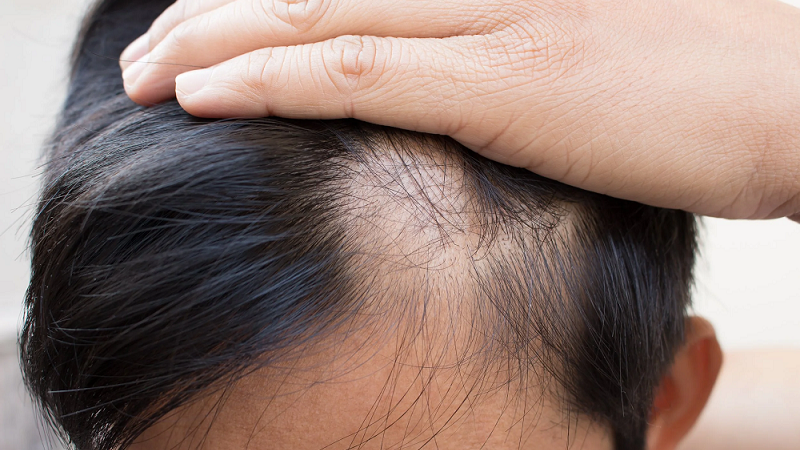
Hair loss is a common journey that many individuals experience, prompting a search for reliable, long-lasting aesthetic solutions. Modern cosmetic advancements have introduced various ways to restore confidence, among which Scalp Micropigmentation in Abu Dhabi has gained significant traction as a meticulous, non-surgical method. This approach utilizes specialized micro-needles to deposit microscopic pigments into the dermal layer of the scalp. Effectively replicating the natural look of hair follicles or adding the visual appearance of density. For individuals exploring this path, a primary consideration involves understanding whether this technique adapts well to diverse physiological traits. Evaluating how different complexions and textural foundations interact with the pigment is essential for achieving a balanced, harmonious outcome.
- Explores the fundamental definition and purpose of microscopic scalp pigmentation as a visual density enhancer.
- Highlights the importance of assessing individual physiological traits prior to undergoing aesthetic procedures.
- Establishes the core objective of determining how diverse epidermal characteristics interact with micro-applied pigments.
Understanding the Variety of Skin Tones and Complexions
Human complexions exist across a broad spectrum, ranging from very fair tones to deeply pigmented skin. When considering cosmetic procedures involving pigment deposition, the interaction between the applied shade and the natural canvas plays a foundational role in the final visual result. Rather than functioning as a rigid, one-size-fits-all procedure, specialized techniques adapt to match the unique contrast level of each person. For lighter complexions, technicians carefully manage pigment concentration to ensure the simulated follicles mimic natural shadows seamlessly without appearing overly stark. Conversely, deeper complexions require a nuanced selection of shades to achieve a soft, organic blend that complements the surrounding skin tone naturally.
- Details the spectrum of human complexions and their distinct structural responses to cosmetic pigments.
- Emphasizes the necessity of individualized shade selection to maintain a realistic and balanced appearance.
- Explains how customized contrast management prevents overly harsh visual effects across varying skin tones.
Tailoring Techniques for Different Dermal Textures and Conditions
Beyond color and tone, the structural characteristics of the scalp’s surface vary significantly from person to person. Factors such as skin thickness, oil production levels, and historical scarring or textural changes influence how pigment settles into the tissue. Professionals experienced in this field analyze these specific surface nuances to customize needle depth, angle, and application speed. For instance, areas featuring previous follicular alignment adjustments or natural textural variations require specialized placement strategies to ensure the final pattern flows coherently with any existing hair growth. This meticulous customization ensures that the optical illusion of depth remains consistent across uneven or unique surface topographies.
- Examines how individual scalp textures, thickness levels, and surface conditions influence pigment retention.
- Highlights the technical adjustments required by specialists, including modified needle depth and application speed.
- Focuses on achieving a seamless optical illusion across complex surface topographies and past textural changes.
Achieving Harmony Across Diverse Hair Loss Patterns
Hair thinning and receding patterns manifest uniquely in every individual, requiring a versatile approach to aesthetic design. Whether an individual is addressing overall diffuse thinning, localized bald patches, or receding frontal hairlines, the technique must be mapped out strategically to match their age and personal presentation goals. By working alongside the natural contours of the head, specialists distribute micro-dots in progressive layers to simulate a dense, evenly cropped appearance. This gradual buildup ensures that the transition between treated zones and untreated areas looks entirely organic, providing a versatile solution that accommodates various stages of hair thinning.
- Outlines the versatility of the procedure in addressing diverse patterns of hair thinning and recession.
- Discusses the importance of mapping design strategies around natural head contours and personal presentation goals.
- Explains the progressive layering process used to create smooth, natural transitions across the scalp.
Frequently Asked Questions
Can the pigmentation shade be adjusted if my natural hair changes over time?
Specialists select pigments on a grayscale continuum that mirrors natural hair shadows rather than matching exact hair dye colors. Because natural shaved hair and follicle shadows typically rest on this spectrum, the visual effect remains harmonious even as natural hair transitions or ages.
How does the technician determine the correct approach for my unique complexion?
A comprehensive initial assessment allows the practitioner to evaluate your skin tone, undertones, and natural contrast levels. This evaluation guides the precise selection of pigment opacity and application density to ensure a customized, natural-looking result.
Is the procedure effective for individuals with very dark skin tones?
Yes, the technique can yield exceptionally natural results on deeply pigmented skin by establishing an appropriate and soft contrast level. Careful planning ensures the pigment blends smoothly to enhance overall density without creating an unnatural appearance.
What factors influence the long-term appearance of the treated scalp?
The long-term visual presentation depends on individual skin characteristics, natural metabolic shedding rates, and proper adherence to post-procedure care guidelines provided by the specialist. Periodic minor touch-up sessions can also help maintain optimal vibrancy and sharpness over the years.

Leave a Reply