

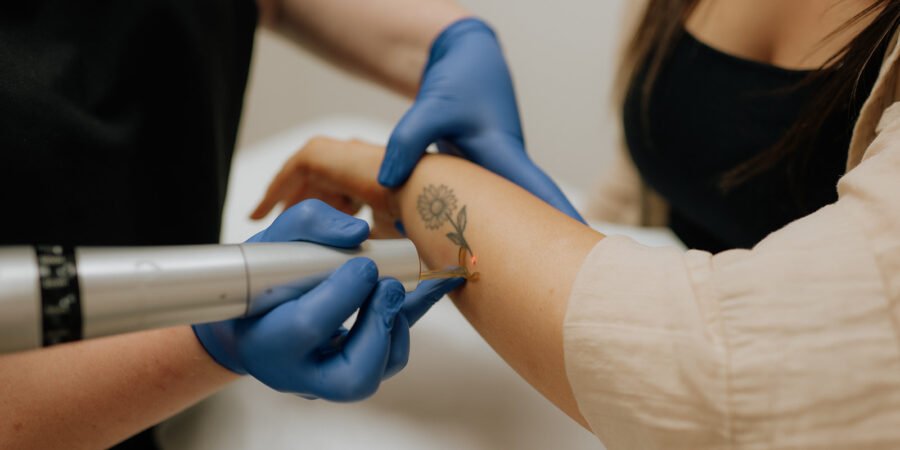
Tattoos are designed to be permanent, with ink particles deposited deep into the dermal layer of the skin where the body’s natural processes cannot easily remove them. Over time, modern technology has made it possible to break down these stubborn pigments using advanced light-based systems. Laser Tattoo Removal Abu Dhabi has emerged as one of the most effective methods for achieving clear skin by targeted energy application. Understanding the science behind this process reveals how light energy transforms permanent ink into tiny particles that the body can clear naturally.
- Permanent tattoo ink rests deep within the skin structure.
- Advanced light technology targets stubborn pigments effectively.
- Light energy breaks down ink so natural body processes can clear it.
The Science of Ink Retention in the Skin
To understand how fading occurs, it is essential to first grasp why tattoos remain visible permanently. When a tattoo needle penetrates the skin, it delivers pigment into the dermis, which sits beneath the protective outer layer known as the epidermis. The immune system immediately recognizes these foreign particles and sends specialized white blood cells to swallow them. However, the ink particles used in tattooing are significantly larger than the white blood cells. Because the cells cannot absorb or break down these large particles, the ink remains trapped in the dermal matrix indefinitely.
- Ink is deposited into the dermal layer of the skin.
- Immune cells attempt to swallow the foreign ink particles immediately.
- Large particle sizes prevent immune cells from removing the ink.
Selective Photothermolysis: The Core Principle
The fundamental mechanism behind laser-based fading is a principle known as selective photothermolysis. This process relies on choosing specific wavelengths of light that are absorbed exclusively by the target pigment while sparing the surrounding skin tissue. When the laser emits light, the targeted color pigment absorbs this energy almost instantaneously. By carefully calibrating the light frequency, practitioners ensure that energy targets only the artificial pigments without causing unnecessary heat transfer to nearby healthy cells.
- Selective photothermolysis targets specific pigment colors using precise light wavelengths.
- Target pigments absorb light energy almost instantaneously upon exposure.
- Calibrated frequencies protect surrounding healthy skin tissue from energy absorption.
The Photoacoustic Effect and Ink Fragmentation
Unlike basic light devices that rely purely on thermal heat, advanced tattoo removal lasers operate using ultra-short pulses of light measured in nanoseconds or picoseconds. When this high-intensity energy hits the ink pigment, it creates a powerful photoacoustic shockwave. This rapid expansion and contraction generate a physical impact within the ink structure, fracturing the large, solid ink deposits into microscopic dust-like fragments. Rather than burning the ink away, the laser mechanically shatters it into small enough pieces for the body to process.
- Ultra-short light pulses create a photoacoustic shockwave upon contact.
- The physical shockwave fractures solid ink deposits into tiny fragments.
- Ink is shattered mechanically rather than burned away by heat.
The Role of the Lymphatic System in Fading
Once the laser shatters the ink into microscopic fragments, the body’s natural clearance mechanisms take over. Specialized immune cells, primarily macrophages, engulf the shattered micro-particles. These cells then transport the fragmented pigment into the lymphatic system, where it is gradually filtered and processed out of the body through natural waste elimination pathways. Because this biological clearance process takes time, visible fading occurs progressively over several weeks following each session.
- Macrophages engulf microscopic ink fragments after the shattering process.
- The lymphatic system transports and filters the shattered ink particles away.
- Natural biological elimination causes gradual fading over multiple weeks.
How Wavelengths Target Different Ink Colors
Tattoo inks consist of various chemical compounds, each reflecting and absorbing distinct light wavelengths. Black ink is the easiest to target because it absorbs all laser wavelengths efficiently. Secondary colors such as red, green, blue, and yellow absorb specific light spectra, requiring distinct laser wavelengths for optimal fragmentation. Multi-colored tattoos often necessitate using different light settings or specialized lasers to effectively target every shade present in the design.
- Black ink absorbs all wavelengths, making it the most straightforward color to break down.
- Colored inks require specific wavelengths matching their unique light absorption spectra.
- Multi-colored designs require multiple light settings to target all pigment shades.
Factors Influencing the Fading Process
The speed and effectiveness of tattoo fading vary depending on numerous biological and structural elements. Ink depth, pigment density, and the age of the tattoo play major roles, as older tattoos often have slightly broken-down ink structures already. Additionally, a strong circulatory and lymphatic system accelerates the transport of shattered particles. The anatomical location of the tattoo also matters, as areas with higher blood circulation generally clear ink faster than peripheral regions like hands or feet.
- Ink density, depth, and tattoo age significantly influence fading speed.
- Circulation and lymphatic health dictate how rapidly fragments clear out.
- Tattoos located on areas with high blood flow fade faster than distant extremities.
Why Multiple Sessions Are Necessary
Fading a tattoo completely cannot be accomplished in a single visit due to how ink layers are deposited. Tattoo artists layer ink vertically within the skin matrix to build solid designs. The first laser pass primarily shatters the uppermost layer of pigment. Once the body clears those top micro-particles over a period of weeks, subsequent sessions can target deeper layers of ink. Each pass penetrates progressively further into the dermal layer until all remaining pigment is fragmented and eliminated.
- Artists apply ink in vertical layers, requiring a multi-layered removal process.
- Initial sessions shatter outer ink layers, while subsequent passes reach deeper pigments.
- Time between sessions allows the body to clear fragments before targeting deeper layers.
Frequently Asked Questions
How does the body naturally remove the shattered tattoo ink?
After the laser breaks the ink into microscopic fragments, specialized white blood cells called macrophages swallow the small particles. These cells carry the ink debris into the lymphatic system, which filters and eliminates the particles from the body naturally over time.
Why do black ink tattoos fade faster than colorful designs?
Black ink absorbs all wavelengths of light energy, making it easier for laser systems to shatter efficiently. Bright colors like green, blue, and yellow reflect certain light wavelengths and require specific, highly targeted settings to achieve complete fragmentation.
Can a tattoo be faded partially for a cover-up design?
Yes, laser technology is frequently used to partially fade an existing tattoo. Fading lightens the original pigment sufficiently so that a tattoo artist can apply a new, clean design over the area without the old ink showing through.
Why is there a waiting period between fading sessions?
The waiting period allows the immune and lymphatic systems adequate time to collect, transport, and eliminate the shattered ink particles. It also gives the skin time to recover fully before the next layer of pigment is targeted.

Leave a Reply