

Non-surgical aesthetic procedures have completely transformed how individuals approach periorbital rejuvenation and eyelid tightening. If you are considering a non-invasive treatment like Plexr Plasma Eyelift in Abu Dhabi, understanding the recovery journey is essential for achieving smooth, gratifying results. Unlike traditional surgical blepharoplasty, plasma technology relies on targeted micro-sublimation to tighten loose skin without surgical incisions, stitches, or structural alteration of the eyelid. However, plasma energy creates controlled thermal micro-injuries on the skin’s surface. The body initiates a very specific, phased healing response. Preparing your schedule and knowing what normal skin responses look like day by day helps reduce anxiety and ensures that your skin heals seamlessly. Below is a comprehensive breakdown of what to anticipate following a plasma eyelid contraction procedure.
Immediate Post-Treatment Skin Reactions
Immediate Warmth and Surface Stinging
Right after the treatment is completed, the delicate skin surrounding the eyes will feel noticeably warm, tight, and sensitive, similar to a localized sun-scald. This heat sensation is a natural byproduct of plasma ionization. Which instantly transfers micro-thermal energy into the upper epidermal layers to contract tissue fibers. The surface discomfort generally stabilizes within a few hours following the procedure.
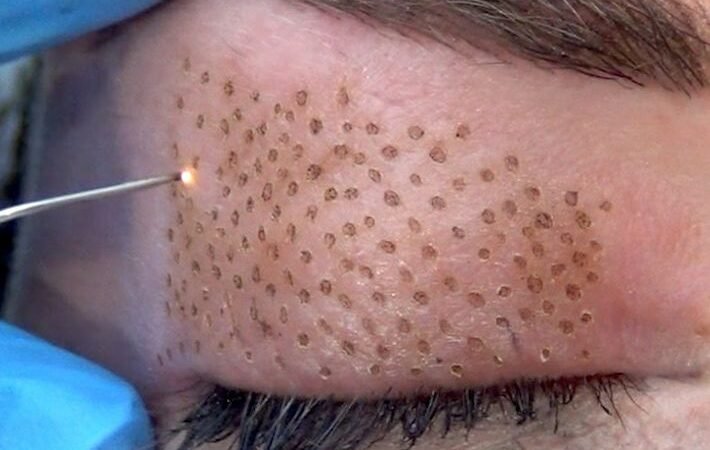
Formation of Micro-Carbon Crusts
One of the most characteristic features immediately following plasma rejuvenation is the presence of tiny, dotted carbon crusts. These dark, micro-spots mark the precise locations where the plasma arc sublimated tiny pinpoint areas of epidermal tissue. They act as a biological protective barrier while new skin forms beneath them.
The First 72 Hours: Peak Swelling Phase
Development of Periorbital Edema
Swelling is an expected fluid response because the eyelid skin is among the thinnest and most vascular tissue on the body. Edema usually begins within hours of treatment and reaches its peak on the morning of day one or day two. The swelling can cause upper eyelids to feel heavy or puffy, particularly right after waking up.
Managing Fluid Retention
To help fluid drain naturally during the first three days, it is recommended to keep your head elevated while resting or sleeping. Applying cold, dry compresses gently to the surrounding bony structures—avoiding direct pressure on the treated dots—can also help soothe the tissue and keep localized puffiness manageable.
Days 4 to 8: Shedding and Crust Management
The Natural Flaking Process
As the underlying skin begins its cellular repair, the carbon dots gradually dry out, lift around the edges, and begin to flake off naturally. Most crusts completely detach between days five and eight. It is critical to never pick, scratch, or force these crusts off prematurely, as doing so can disrupt fragile new tissue and cause uneven pigmentation.
Strict Skincare and Hygiene Protocols
During the shedding phase, strict cleanliness must be maintained. The eye area should be kept clean and dry, using only mild, recommended cleansers with a gentle patting motion. Occlusive cosmetics, heavy eye creams, and active ingredients like acids or retinoids should be completely avoided until the surface has fully closed.
Weeks 2 to 4: The Pink Phase and Cellular Renewal
Appearance of Fresh Neodermis
Once the micro-crusts fall away, the newly revealed skin will appear fresh, smooth, and distinctly pinkish. This pinkness indicates active tissue remodeling and capillary activity in the fresh epidermal layer. The intensity of this flush varies by individual skin sensitivity and will fade steadily over the subsequent weeks.
Sun Protection and Daily Care
The newly formed skin is highly vulnerable to light-induced discoloration. Protecting the area with high-spectrum physical sunscreen and wearing UV-blocking sunglasses when stepping outdoors is essential to safeguard the healing skin barrier. Gentle mineral cosmetics can usually be reintroduced once all crusts have naturally detached.
Long-Term Collagen Remodeling and Final Results
Progressive Skin Tightening
While surface recovery takes approximately one to two weeks, the deeper physiological changes continue beneath the surface for months. The thermal stimulation triggers neocollagenesis—the body’s natural production of fresh collagen and elastin fibers. Over 8 to 12 weeks, the skin around the eyelids becomes progressively firmer, smoother, and more lifted.
Long-Lasting Rejuvenation
Because the procedure works by physically contracting existing tissue fibers and encouraging ongoing structural synthesis, the rejuvenation achieved offers durable improvements. Maintaining a healthy skincare routine and protecting the delicate periorbital tissue from excessive sun exposure ensures that your eyelid contour remains youthful and refreshed over time.
Frequently Asked Questions
How long does social downtime typically last after a plasma eyelid lift?
Visible social downtime generally lasts between 5 to 8 days. During this period, the micro-carbon crusts are visible on the eyelid skin. Most individuals feel comfortable returning to regular social activities once these dots have completely shed naturally.
Can I wear eye makeup immediately after the procedure?
No, eye makeup should not be applied to the treated eyelids until every single carbon crust has fallen off on its own and the skin surface is fully closed. Applying makeup prematurely can trap bacteria or irritate the healing skin.
Is post-treatment swelling completely normal?
Yes, moderate swelling around the upper and lower eye areas is a expected part of the body’s inflammatory healing response. Swelling usually peaks within the first 48 hours and subsides significantly by the fourth or fifth day.
When will the final skin tightening results be visible?
While initial tightness is noticeable once the crusts shed, the true structural results emerge progressively over 8 to 12 weeks as new collagen and elastin fibers fully form within the dermal layers.

Leave a Reply