

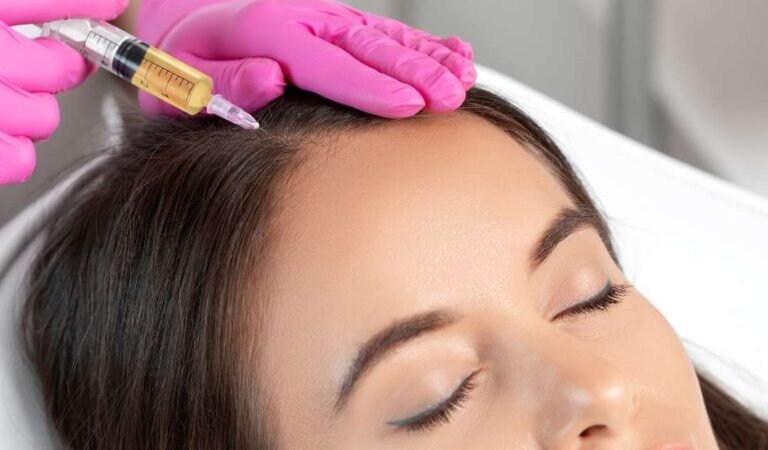
Hair loss affects millions of people across the globe, impacting self-confidence, personal aesthetics, and daily well-being. Modern regenerative science offers innovative methods to revitalize thinning hair naturally, with platelet-rich plasma therapy standing at the forefront of non-surgical restoration options. Many individuals researching advanced aesthetic procedures consider PRP treatment in Abu Dhabi to address early-stage hair thinning and regain fuller, healthier hair. Understanding how plasma therapy operates, who benefits most, and what the restoration journey entails helps prospective candidates make confident, informed decisions about their scalp health.
Understanding the Fundamentals of Platelet-Rich Plasma
Platelet-rich plasma therapy is a biological treatment that harnesses the healing properties of human blood to stimulate cellular repair. Human blood consists of red cells, white cells, plasma, and platelets. Platelets contain specialized growth factors that trigger tissue regeneration, promote angiogenesis (new blood vessel formation), and accelerate cellular renewal.
By isolating plasma enriched with higher concentration levels of platelets, practitioners introduce nutrient-dense growth factors directly to dormant follicles. This concentrated biological boost reawakens weakened hair roots, encouraging them to enter an active growth phase.
- Biological Foundation: Platelet-rich plasma utilizes autologous biological components to stimulate cellular repair without introducing artificial synthetic chemicals.
- Role of Growth Factors: Specialized proteins within platelets activate follicular stem cells, improve blood flow around hair roots, and prolong the active growth cycle.
- Tissue Revitalization: Increasing localized circulation delivers essential nutrients to undernourished hair follicles, fostering an optimal environment for growth.
The Science of Hair Growth and Follicle Activation
To understand why plasma therapy succeeds, one must examine the natural lifecycle of human hair. Every hair follicle undergoes three main phases: Anagen (growth), Catagen (transition), and Telogen (resting). Factors like genetics, stress, hormonal imbalances, and nutritional deficiencies shorten the Anagen phase, causing hair strands to thin, weaken, and prematurely drop out.
Regenerative plasma therapy intervenes by extending the Anagen phase and shrinking the Telogen phase. Concentrated growth factors work at a cellular level, enlarging miniaturized follicles so they produce thicker, sturdier hair shafts.
- Cycle Regulation: Plasma growth factors reset hair growth phases, helping dormant follicles return into active, ongoing growth.
- Follicular Enlargement: Miniaturized strands gradually thicken as rejuvenated roots receive enhanced micro-circulation and protein signaling.
- Reduced Hair Shedding: Strengthening follicular anchoring minimizes premature hair loss, preserving existing hair density across the scalp.
Key Candidates for Plasma Hair Restoration
While biological plasma therapy provides strong regenerative benefits, individual suitability depends heavily on the pattern and progression of hair loss. The ideal candidate typically experiences active hair thinning or early-stage hair loss rather than complete baldness.
Because the treatment relies on reviving weakened, living hair roots, scalp areas with complete follicle loss (dormant for many years) respond less effectively than areas with miniaturized, active roots.
Ideal Suitability Factors
- Early to Moderate Hair Thinning: Individuals observing diffuse thinning across the crown, hair parting, or hairline benefit significantly from early biological intervention.
- Androgenetic Alopecia: Pattern hair loss driven by genetic predispositions responds positively to growth factor stimulation.
- Postpartum or Stress Hair Loss: Temporary telogen effluvium triggered by life changes or hormonal shifts can resolve faster with supportive plasma nourishment.
- Complements Hair Transplants: Individuals undergoing surgical hair restoration often integrate plasma therapies to strengthen newly transplanted grafts and accelerate recovery.
The Step-by-Step Treatment Journey
A standard hair restoration session involves a structured process designed for comfort, efficiency, and precise delivery. The entire procedure is straightforward and completed within a relatively brief office visit.
1. Blood Sample Collection
A routine standard sample of blood is drawn from the patient’s arm using sterile equipment.
2. Centrifugation and Separation
The collected blood tube is placed into a high-speed centrifuge machine. Rapid rotation separates red blood cells from clear plasma, isolating the platelet-dense layer rich in powerful growth factors.
3. Preparation and Purification
The concentrated platelet layer is carefully drawn into micro-syringes, ensuring optimal concentration without unwanted cellular debris.
4. Micro-Targeted Scalp Application
Using ultra-fine needles, the isolated plasma is carefully injected into designated thinning areas of the scalp at uniform depths.
- Effortless Process: The multi-stage preparation ensures concentrated biological growth factors reach exact follicular depths.
- Micro-Targeting: Focused micro-injections deliver active nutrients directly where root nourishment is needed most.
- Minimal Downtime: Patients resume normal daily routines immediately following the session without requiring lengthy post-procedure rest.
Essential Post-Care and Maintenance Guidelines
Proper post-care supports optimal biological responses following every session. Adhering to straightforward maintenance recommendations protects the scalp while allowing growth factors to work uninterrupted.
- Scalp Protection: Keep the treated scalp clean and dry for the first 24 hours to prevent irritation at injection points.
- Gentle Hair Care: Avoid harsh chemical treatments, hair dyes, or heavy heat-styling tools for several days following a procedure.
- Healthy Lifestyle Habits: Support follicle regeneration from within through balanced nutrition, proper hydration, and managing daily stress levels.
- Scheduled Follow-ups: Periodic maintenance sessions scheduled every 6 to 12 months help preserve long-term hair density gains.
Frequently Asked Questions
How many sessions of plasma hair therapy are typically needed?
Most individuals start with an initial series of 3 to 4 sessions spaced roughly 4 to 6 weeks apart. After completing the primary series, periodic maintenance sessions every 6 to 12 months help sustain optimal density.
Is plasma hair restoration painful?
Discomfort is minimal. Micro-needles are utilized for targeted delivery, and scalp numbing sprays or creams can be applied prior to injections to maintain complete comfort throughout the procedure.
Can plasma therapy restore hair on completely bald scalp areas?
Plasma therapy requires living, active hair follicles to stimulate growth. Areas that have been completely smooth and bald for many years typically lack viable follicles, making surgery a more suitable option for those specific regions.
How soon can normal washing and styling resume after a session?
Gentle hair washing with mild shampoos can usually resume 24 hours after treatment. Heat styling, hair dye, and aggressive chemical processing should be paused for at least 48 to 72 hours.

Leave a Reply