

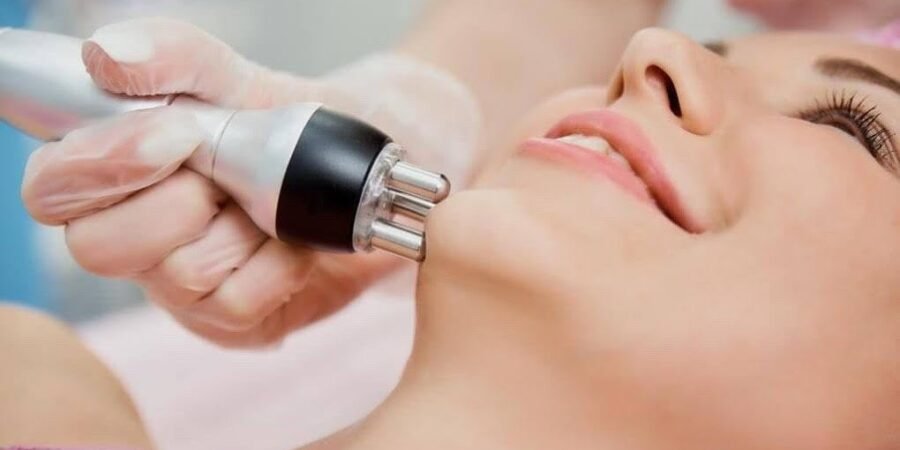
Modern aesthetic skincare offers a wide array of options for structural rejuvenation, among which energy-based thermal modalities stand out. Many individuals exploring advanced aesthetic options discover that Radiofrequency Treatments in Abu Dhabi provide a popular avenue for addressing structural skin concerns. Understanding how thermal energy interacts with cutaneous layers is essential when deciding if this modality aligns with your cosmetic objectives and skin health needs.
- Understanding Thermal Energy: Radiofrequency uses controlled heat to stimulate deeper dermal layers without disrupting the surface.
- Targeting Dermal Structures: The primary mechanism revolves around tightening existing structural proteins and stimulating new matrix generation.
- Customizable Depth: Modern devices allow precise calibration suited for varying dermal thicknesses and structural goals.
The Science Behind Radiofrequency Energy and Skin Interaction
To understand why radiofrequency is used across diverse skin types, one must examine how electromagnetic waves interact with human tissue. Unlike light-based systems that rely on skin pigment (melanin) for absorption, radiofrequency generates resistance-based thermal energy within the deeper dermis. This unique mechanism allows controlled heating of the subsurface structural matrix while maintaining outer layer integrity.
- Epidermal Preservation: Because the top layer remains untouched, the risk of surface pigment changes is significantly minimized.
- Targeted Dermal Heating: Thermal waves reach targeted depths to trigger a natural cellular cascade.
- Chromophore Independence: The technique works independently of skin color, making it versatile across different ethnicities.
How Thermal Energy Triggers Structural Renewal
When radiofrequency energy penetrates the dermal layer, it raises local tissue temperatures to a precise range. This controlled thermal stimulation causes an immediate contraction of existing collagen fibers while simultaneously initiating a long-term wound-healing response. Fibroblast cells are activated to synthesis fresh structural components over the subsequent months.
- Immediate Fiber Contraction: Existing collagen strands shrink slightly upon heating, creating subtle initial firming.
- Fibroblast Activation: Specialized cells are stimulated to generate new collagen and elastin networks.
- Progressive Matrix Strengthening: Long-term improvements evolve gradually as new structural proteins mature.
Differentiating Energy Types for Various Layers
Different device variations utilize monopolar, bipolar, or fractional configurations to deliver thermal energy at specific depths. Monopolar systems reach deeper subcutaneous zones for broader lifting effects, whereas bipolar systems target superficial dermal lines. Selecting the correct delivery depth ensures that energy reaches the exact structural layer requiring support.
- Monopolar Delivery: Penetrates deeply into lower dermal layers for overall structural support.
- Bipolar Delivery: Focuses energy on upper dermal layers to address finer surface contours.
- Fractional Delivery: Combines micro-channels with energy to target both surface texture and deeper laxity.
Key Skin Concerns Addressed by Radiofrequency Modalities
Radiofrequency technology addresses a spectrum of structural skin changes that occur due to intrinsic aging, environmental exposure, and collagen degradation. By encouraging tissue remodeling, these modalities offer multi-layered improvement for different areas of the face and body.
- Loss of Firmness: Structural sagging in the lower facial regions responds well to dermal heating.
- Textural Irregularities: Surface unevenness and widened pores smooth out as underlying collagen densifies.
- Subtle Crepiness: Thin, delicate skin areas gain added density and elasticity over time.
Firming Mild to Moderate Laxity
As structural protein levels naturally decline, skin begins to display mild looseness along the jawline, cheeks, and neck. Radiofrequency heating encourages tissue contraction in these specific regions, helping redefine contours without surgical alterations.
- Jawline Definition: Targets subtle jowling to help re-establish a clear, firm boundary.
- Mid-Face Support: Tightens sagging cheek tissue to restore a more lifted structural appearance.
- Neck Refinement: Smoothes loose skin along the upper neck and under-chin zones.
Smoothing Fine Lines and Surface Creases
Dynamic expressions and sun exposure lead to fine lines around delicate areas like the eyes, forehead, and mouth. Thermal remodeling thickens the underlying dermal bed, providing a plumping effect that naturally reduces line depth.
- Periorbital Fine Lines: Softens delicate expression lines surrounding the outer eye contours.
- Forehead Creases: Works within the dermis to smooth horizontal forehead lines.
- Perioral Lines: Plumps thin tissue around the lips for a smoother canvas.
Enhancing Surface Texture and Pore Refinement
Aside from firming, radiofrequency energy improves overall dermal density, which directly impacts surface smoothness. Increased cellular activity enhances microcirculation and encourages refined pore structure across the cheeks and center face.
- Pore Size Minimization: Firming the surrounding collagen matrix compresses enlarged pore openings.
- Roughness Reduction: Stimulates cellular renewal to yield a softer, more uniform surface feel.
- Dermal Thickness: Restores resilient density to thin, fragile cutaneous layers.
Evaluating Suitability Across Different Skin Types and Tones
One of the most notable advantages of radiofrequency energy is its safety profile across diverse skin complexions. Because light-based systems target melanin, darker complexions can absorb excess optical energy. Radiofrequency sidesteps this mechanism entirely by focusing on electric current resistance.
- Fitzpatrick Scale Compatibility: Effective and stable across lighter to deeply pigmented complexions.
- Melanin Independence: Reduces the risk of heat-induced pigment shifts on dark skin tones.
- Custom Depth Control: Allows precise energy delivery regardless of surface pigmentation.
Considerations for Fair to Medium Complexions
Lighter skin types often show early signs of sun-induced collagen damage, fine lines, and superficial thinning. Radiofrequency helps repair this underlying solar degradation by generating fresh collagen beneath vulnerable surface layers.
- Photoaging Support: Targets subsurface fiber breakdown caused by long-term ultraviolet exposure.
- Vessel Friendliness: Gentle delivery avoids irritating superficial vascular structures.
- Layered Care Integration: Pairs easily into broader long-term skin maintenance regimes.
Considerations for Deeper Skin Complexions
Darker complexions require technologies that bypass surface pigment to prevent post-inflammatory alterations. Because radiofrequency bypasses top-layer absorption, it offers a reliable method for deep tissue remodeling in darker skin types.
- Reduced Pigment Risk: Minimal chance of hyperpigmentation or hypopigmentation shifts.
- Deep Dermal Focus: Delivers thermal energy directly into the lower structural levels.
- Uniform Healing: Promotes consistent internal matrix repair across all dermal depth zones.
Sensitive Skin and Structural Characteristics
Even individuals with reactive skin can often tolerate radiofrequency energy when settings are appropriately adjusted. Because thermal energy is delivered progressively, devices can be set to gentle thermal thresholds that respect skin sensitivity while still stimulating cell activity.
- Adjustable Thermal Thresholds: Energy levels can be modulated for low-tolerance skin types.
- Non-Ablative Pathways: Leaves the outer surface unbroken, limiting environmental exposure.
- Controlled Thermal Delivery: Smooth heat accumulation avoids abrupt temperature spikes.
Age Demographics and Ideal Skin Conditions
Suitability for radiofrequency energy is largely determined by structural skin health rather than chronological age alone. Individuals with mild to moderate laxity retain sufficient cellular responsiveness to produce robust new collagen when stimulated by thermal energy.
- Preventative Candidates (Late 20s to 30s): Early intervention helps slow structural protein decline.
- Restorative Candidates (40s to 50s): Targets visible looseness, deeper lines, and loss of firmness.
- Maintenance Candidates (60+): Provides subtle conditioning and texture support for mature skin.
Early Intervention and Collagen Maintenance
In younger demographics, radiofrequency acts as a proactive measure to maintain healthy collagen density. Starting thermal treatments when early matrix degradation begins helps sustain natural skin tautness and delays the development of deeper sagging.
- Proactive Matrix Support: Preserves existing structural density before major laxity develops.
- Enhanced Cell Turnover: Keeps fibroblast activity functioning at optimal youthful levels.
- Subtle Line Prevention: Addresses early expression creases before they deepen into static folds.
Managing Moderate Structural Age-Related Changes
For individuals experiencing noticeable loss of firmness and deeper lines, radiofrequency offers a non-surgical method to restore structural integrity. Regular thermal stimulation restores lost elasticity and firm support across the lower face and neck regions.
- Rebuilding Elasticity: Restores natural recoil and bounce to sagging dermal tissue.
- Contour Tightening: Provides noticeable firming along jawlines and cheek planes.
- Structural Plumping: Thickens thinned dermal areas to smooth pronounced folds.
Limitations for Advanced Laxity
It is important to maintain realistic expectations regarding energy-based treatments. While radiofrequency excels at tightening mild to moderate looseness, severe structural sagging or excess skin tissue may exceed what thermal collagen remodeling alone can achieve.
- Collagen Capacity Boundaries: Requires a baseline level of cellular response to generate new matrix.
- Excess Tissue Constraints: Energy modalities cannot remove physical redundant skin.
- Realistic Outcome Alignment: Best suited for firming and refining rather than drastic structural repositioning.
Comparing Radiofrequency with Other Non-Invasive Energy Technologies
To determine if radiofrequency is suitable for your skin, it helps to understand how it differs from alternative energy modalities like ultrasound or light-based lasers. Each technology targets distinct layers and utilizes different physical mechanisms to achieve rejuvenation.
- Radiofrequency: Uses electrical resistance to heat broad dermal areas uniformly.
- Ultrasound (HIFU): Uses sound waves to create focused thermal points in deep structural layers.
- Laser Modalities: Uses light energy absorbed by specific surface targets like pigment or blood vessels.
Radiofrequency vs. Focused Ultrasound
While both technologies generate heat to stimulate structural remodeling, focused ultrasound targets deeper foundational layers, whereas radiofrequency focuses on bulk heating within the middle and deep dermis. Radiofrequency is often preferred for overall surface smoothing and uniform skin firming.
- Thermal Distribution: Radiofrequency provides smooth, uniform heat across larger treatment areas.
- Surface Refinement: Radiofrequency offers superior benefits for fine texture and surface lines.
- Layer Focus: Targets primary dermal structure rather than deep structural fascial layers.
Radiofrequency vs. Optical Laser Treatments
Laser systems rely on light absorption by chromophores such as melanin or hemoglobin, making them highly effective for redness or dark spots. However, radiofrequency is pigment-blind, making it a safer option for general structural tightening across all skin tones without targeting surface color.
- Pigment Neutrality: Operates without depending on skin coloration or light absorption.
- Subsurface Focus: Bypasses superficial pigment cells to reduce thermal surface disruption.
- Year-Round Application: Less susceptible to sun-sensitivity restrictions compared to intense laser procedures.
What to Expect During a Typical Treatment Lifecycle
Understanding the treatment process helps individuals evaluate how radiofrequency fits into their personal care routine. The process is straightforward, requiring no extensive downtime, which makes it popular among active individuals.
- Session Duration: Most sessions take between 30 to 60 minutes depending on the target region.
- Sensation Profile: Feels like a warm deep-tissue massage as energy builds.
- Post-Session Appearance: Skin usually displays a minor warm flush that settles quickly.
Initial Preparation and Energy Application
During a session, a specialized handpiece is glided systematically over the targeted area. A conductive gel is usually applied to facilitate smooth movement and even energy distribution across the surface.
- Skin Cleaning: The surface is thoroughly cleansed to remove oils and topical products.
- Coupling Medium Application: A clear fluid helps conduct electromagnetic waves uniformly into tissue.
- Controlled Passes: The device delivers smooth thermal pulses until optimal dermal temperature is reached.
Cumulative Results and Timeline Expectations
Because collagen production is a gradual biological process, results evolve steadily over several weeks and months. While an immediate temporary firming effect can occur due to initial fiber contraction, true structural improvements build progressively over time.
- Immediate Flash Effect: Minor post-treatment tightening caused by initial heat interaction.
- 4 to 6 Week Mark: Initial cellular synthesis begins showing as smoother skin texture.
- 3 to 6 Month Mark: Full collagen synthesis yields maximum structural firmness and density.
Frequently Asked Questions
How does radiofrequency differ from traditional laser therapies?
Radiofrequency utilizes electrical wave resistance to generate heat within the deeper dermis, whereas traditional lasers rely on specific light wavelengths absorbed by pigment or water. This makes radiofrequency completely color-blind and suitable for all skin tones without targeting surface melanin.
Can radiofrequency treatments be combined with other cosmetic options?
Yes, radiofrequency energy works well alongside complement skincare strategies. Because it leaves the outer surface intact, it can easily complement hydration therapies, topical nourishment, or muscle-relaxing solutions as part of a comprehensive skin maintenance plan.
How many sessions are generally needed to notice visible changes?
Because structural collagen synthesis is a progressive biological response, a series of multiple sessions spaced several weeks apart is typically recommended. Continued improvements unfold naturally over three to six months following the initial care series.
Is there any downtime required after a session?
Radiofrequency is a non-invasive modality that maintains the integrity of the outer skin layer. Most individuals experience only a mild thermal flush similar to a gentle workout glow, allowing an immediate return to daily activities.

Leave a Reply