

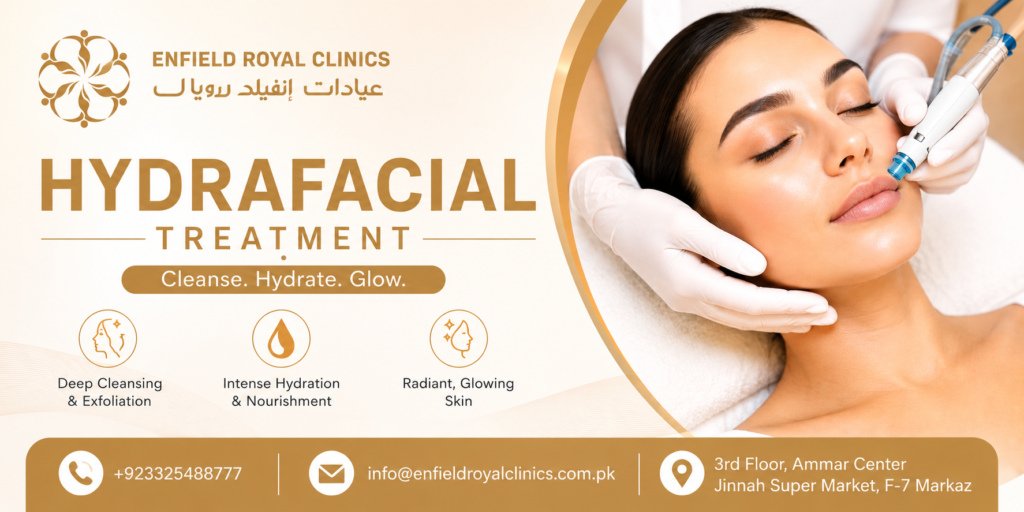
Clean skin is an important part of maintaining a healthy-looking complexion. Everyday exposure to dust, pollution, makeup, excess oil, and dead skin cells can leave impurities on the skin and around pores. Although regular cleansing at home is essential, some people choose professional treatments for a deeper and more thorough skin refresh.
Hydrafacial is a non-invasive facial treatment that combines cleansing, exfoliation, extraction, and hydration. Unlike a basic facial wash, it uses specialized equipment to perform several treatment steps in a controlled manner. This approach can help remove surface buildup while supporting smoother and more hydrated-looking skin.
What Is Hydrafacial Cleansing?
Hydrafacial cleansing is more than simply washing the face. The treatment generally begins by cleansing the skin to remove surface dirt, makeup residue, excess oil, and other impurities.
This initial step prepares the skin for exfoliation and extraction. By starting with a clean surface, the subsequent stages can work more effectively.
The exact products and techniques used can vary depending on the provider and the individual’s skin type.
How Does Hydrafacial Remove Dead Skin Cells?
Dead skin cells naturally accumulate on the outermost layer of the skin. When too many remain on the surface, the complexion can appear dull, rough, or uneven.
Hydrafacial includes a gentle exfoliation stage designed to loosen and remove some of this buildup. Compared with aggressive physical scrubbing, the treatment uses a controlled approach that can be adjusted according to skin sensitivity.
Removing surface dead skin cells may help reveal smoother-looking skin underneath.
How Does Hydrafacial Clean Pores?
Pores can collect oil, dead skin cells, and environmental impurities. When this buildup becomes excessive, pores may appear larger or more noticeable.
During Hydrafacial, controlled suction is used as part of the extraction stage. This can help remove some oil and debris from congested pores.
The process may be useful for people concerned about blackheads, oily skin, or mild congestion.
However, pores naturally produce oil and continue to collect dead skin cells, so professional extraction does not permanently prevent future congestion.
Can Hydrafacial Remove Excess Oil?
Excess sebum is one of the common contributors to clogged pores. Hydrafacial can help remove surface oil during the cleansing and extraction stages.
This can make oily skin appear cleaner and less shiny immediately after treatment.
However, the goal should not be to remove every trace of natural oil. Sebum plays an important role in supporting the skin’s protective barrier.
Hydrafacial does not permanently change oil production, so appropriate daily skincare is still important.
Does Hydrafacial Help With Blackheads?
Blackheads develop when pores become clogged with oil and dead skin cells. They often appear around the nose, forehead, and chin.
The extraction stage of Hydrafacial may help remove some of the material responsible for these visible blockages.
This can leave congested areas looking cleaner and more refined. However, blackheads can return because the skin continues to produce oil and shed cells.
Avoid squeezing blackheads at home, as excessive pressure can irritate the skin.
What Role Does Hydration Play in Cleansing?
Hydration may seem separate from cleansing, but it is an important part of the Hydrafacial approach.
After cleansing, exfoliation, and extraction, hydrating solutions are applied to the skin. This helps prevent the complexion from feeling excessively dry after the cleansing process.
A balanced approach is important because overly aggressive cleansing can weaken the skin barrier and cause discomfort.
Hydrafacial combines cleansing with hydration rather than focusing solely on removing oil.
Is Hydrafacial Suitable for Oily Skin?
Oily skin can benefit from professional cleansing because excess sebum may contribute to congestion and visible pores.
Hydrafacial can help remove surface oil and impurities while maintaining a hydration-focused final stage.
However, oily skin still requires moisture. Using overly harsh cleansers or repeatedly stripping the skin can sometimes increase dryness and irritation.
A skincare professional can adjust the treatment according to the individual’s oil production and skin sensitivity.
Can Hydrafacial Cleanse Dry Skin?
Dry skin can also accumulate dead skin cells and surface impurities. In this situation, aggressive cleansing may make the skin feel tighter or more uncomfortable.
Hydrafacial may provide a gentler alternative because it combines exfoliation with hydration.
However, if the skin is severely dry, cracked, peeling, or irritated, treatment may need to be postponed. A professional should evaluate the condition of the skin before proceeding.
How Does Hydrafacial Differ From Home Cleansing?
Daily cleansing is essential, but professional Hydrafacial treatment uses specialized equipment and combines several steps in one session.
Home cleansing primarily removes surface impurities, while Hydrafacial adds professional exfoliation, controlled extraction, and hydration.
This does not mean professional treatment should replace daily cleansing. Instead, the two approaches can complement each other.
A consistent home routine helps maintain the skin between professional appointments.
How Long Does the Cleansing Effect Last?
The skin may look and feel cleaner immediately after Hydrafacial. However, the effect is not permanent.
The skin naturally continues producing oil, shedding cells, and encountering environmental pollutants. As a result, buildup can gradually return.
How long the refreshed appearance lasts depends on skin type, lifestyle, skincare habits, and environmental exposure.
Regular professional treatments may be considered for maintenance, but treatment frequency should be based on individual needs.
What Should You Avoid After Hydrafacial?
After treatment, it is generally helpful to avoid unnecessarily harsh skincare products and excessive exfoliation. Freshly treated skin may be temporarily more sensitive.
Follow the aftercare instructions provided by your skincare professional. Gentle cleansing, appropriate moisturizing, and daily sunscreen can help maintain skin comfort.
Avoid picking or squeezing pores because this can cause irritation and potentially contribute to inflammation.
Who Can Benefit From Hydrafacial Cleansing?
Hydrafacial may be suitable for people concerned about:
- Dull-looking skin
- Excess surface oil
- Blackheads
- Mild congestion
- Rough texture
- Dehydration
- Visible pore buildup
However, not everyone is an ideal candidate at every moment. Active irritation, severe inflammation, infections, or damaged skin may require treatment to be postponed.
A professional consultation can help determine whether the procedure is appropriate.
Final Thoughts
Hydrafacial cleanses the skin through a combination of cleansing, gentle exfoliation, controlled pore extraction, and hydration. This multi-step approach can help remove surface dead skin cells, excess oil, and impurities while leaving the complexion smoother and more refreshed.
The treatment can be particularly helpful for people experiencing mild congestion, dullness, blackheads, or rough texture. However, it does not permanently prevent pores from becoming clogged or replace a consistent home skincare routine.
For the best results, choose a qualified skincare professional who can customize the treatment according to your skin type and concerns. Combining professional care with gentle daily cleansing, moisturizing, and sun protection can help maintain a clean, healthy-looking complexion.
For more information visit Enfield royal clinic in islamabad

Leave a Reply