

What Are the Risks of Septoplasty in Islamabad?
Septoplasty is a commonly performed procedure that helps improve breathing by correcting a deviated nasal septum. Many people choose this surgery when nasal blockage, sinus problems, or breathing difficulties affect their daily life. While septoplasty is considered a safe and effective treatment, it is important for patients to understand that, like any surgical procedure, it carries some potential risks.
Knowing the possible complications can help patients make informed decisions and prepare properly for treatment. Septoplasty in Islamabad is performed by experienced ENT specialists using modern techniques, which helps reduce risks and improve recovery outcomes.
This article explains the possible risks of septoplasty, factors that influence safety, and how proper care can support a smoother healing process.
Understanding Septoplasty
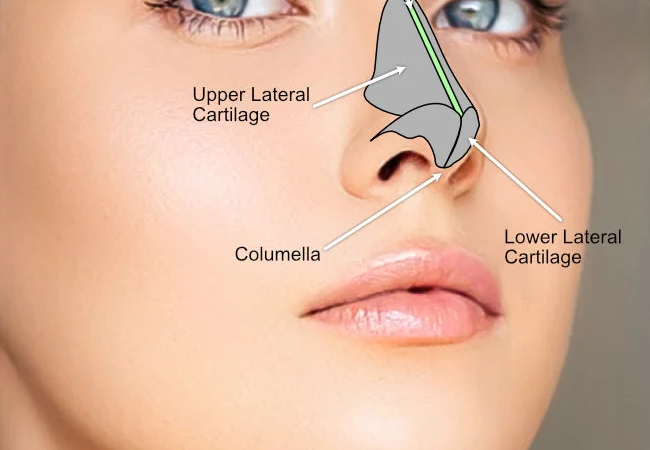
Septoplasty is a surgical procedure that corrects a deviated septum, which is the wall of cartilage and bone separating the two nasal passages.
When the septum is bent or displaced, it can restrict airflow and cause symptoms such as:
- Difficulty breathing through the nose
- Chronic nasal congestion
- Snoring
- Frequent sinus infections
- Poor sleep quality
During septoplasty, the surgeon reshapes or repositions the septum to create better airflow inside the nose. The surgery is usually performed through internal incisions, meaning there are generally no visible scars.
Is Septoplasty a Safe Procedure?
Yes, septoplasty is generally considered a safe procedure with a high success rate. Most patients recover without serious complications and experience improved breathing after healing.
However, every surgery has some level of risk. The chances of complications are usually low, especially when the procedure is performed by a qualified ENT specialist and patients follow proper pre- and post-operative instructions.
Common Temporary Side Effects
Some symptoms after septoplasty are normal parts of the healing process and usually improve with time.
Nasal Congestion
Although the goal of surgery is to improve breathing, patients may initially feel more blocked because of swelling inside the nose.
This congestion usually decreases as healing progresses.
Mild Pain and Discomfort
Patients may experience:
- Pressure around the nose
- Mild soreness
- Headache
- Tenderness
These symptoms are usually manageable with medication recommended by the surgeon.
Swelling
Internal swelling is common after surgery and may temporarily affect breathing.
As the tissues heal, swelling gradually reduces.
Minor Bleeding
Small amounts of bleeding or blood-tinged discharge may occur during the early recovery period.
Following post-operative instructions helps minimize this risk.
Possible Surgical Risks
Although uncommon, some patients may experience certain complications after septoplasty.
Infection
Any surgical procedure carries a small risk of infection.
Doctors reduce this risk by maintaining sterile surgical conditions and providing appropriate aftercare instructions.
Signs of infection may include:
- Increasing pain
- Fever
- Unusual nasal discharge
- Worsening swelling
Patients should contact their doctor if these symptoms occur.
Persistent Nasal Blockage
In some cases, patients may continue to experience breathing difficulties after surgery.
This may happen if:
- The deviation was severe
- Other nasal conditions are present
- Healing does not occur as expected
A detailed evaluation before surgery helps reduce this possibility.
Septal Perforation
A rare complication is the development of a small hole in the nasal septum.
This may occur due to damage to the septal tissue during healing.
Possible symptoms include:
- Nasal dryness
- Crusting
- Whistling sounds while breathing
This complication is uncommon when surgery is performed carefully.
Changes in Sense of Smell
Some patients notice temporary changes in their ability to smell after surgery.
This is usually related to swelling and improves as the nose heals.
Permanent changes are rare.
Need for Revision Surgery
In a small number of cases, additional surgery may be required if the desired improvement is not achieved.
Revision surgery may be considered if:
- The septum does not heal correctly
- Symptoms continue
- Additional correction is needed
Choosing an experienced surgeon reduces the likelihood of needing further procedures.
Factors That Can Increase Risks
Certain factors may affect the safety and recovery of septoplasty.
Poor Overall Health
Patients with certain medical conditions may require additional evaluation before surgery.
Smoking
Smoking can slow healing and increase the risk of complications.
Patients are usually advised to stop smoking before and after surgery.
Previous Nasal Surgery
Individuals who have had previous nasal procedures may require more complex surgical planning.
Not Following Recovery Instructions
Ignoring post-operative advice can increase the chances of bleeding, infection, or delayed healing.
How to Reduce Septoplasty Risks
Patients can take several steps to support safe surgery and recovery.
Choose an Experienced ENT Specialist
A skilled surgeon understands nasal anatomy and uses precise techniques to minimize complications.
Complete Pre-Surgery Evaluation
A thorough examination helps identify potential risks and ensures that surgery is appropriate.
Follow Medication Instructions
Taking prescribed medicines correctly supports healing and prevents complications.
Attend Follow-Up Visits
Regular appointments allow the surgeon to monitor progress and address any concerns early.
Protect the Nose During Recovery
Avoiding pressure, injury, and strenuous activities helps the septum heal properly.
Benefits Often Outweigh the Risks
Although risks exist, many patients find that the benefits of septoplasty are significant.
Successful treatment may provide:
Improved Breathing
Correcting the septum allows better airflow through the nose.
Better Sleep Quality
Improved nasal breathing can reduce snoring related to blockage and support restful sleep.
Fewer Sinus Problems
Better airflow and drainage may decrease recurring sinus issues.
Greater Daily Comfort
Many patients experience improved confidence and comfort after recovering from surgery.
Recovery After Septoplasty
Recovery is usually gradual but manageable.
During the healing period, patients may experience temporary symptoms such as congestion and swelling.
Most people can return to normal daily activities within one to two weeks, while complete internal healing may take several months.
Following medical guidance is essential for achieving the best results.
Choosing the Right Clinic
The quality of care plays an important role in reducing surgical risks.
Patients should consider a clinic that provides:
- Qualified ENT specialists
- Modern medical facilities
- Detailed consultations
- Personalized treatment plans
- Proper follow-up care
A professional medical team helps ensure that patients receive safe and effective treatment.
Final Thoughts
Understanding the risks of Septoplasty in Islamabad allows patients to make informed decisions about their health. While temporary discomfort, swelling, and congestion are common after surgery, serious complications are uncommon when the procedure is performed by an experienced specialist.
The benefits of septoplasty, including improved breathing, better sleep, and long-term relief from nasal obstruction, often make the procedure worthwhile for suitable candidates. A detailed consultation is the best way to understand your individual risks and expected results.
If you are considering Septoplasty in Islamabad, Enfield Royal Clinics provides expert ENT evaluations, advanced surgical techniques, and personalized care to help patients achieve safe treatment outcomes and improved nasal function.
For more information visit Enfield royal clinic in islamabad

Leave a Reply